
5 Signs It's Time to Replace Your Hot Tub (Not Just Repair It)
Hot tubs last 10–20 years, but knowing when to stop pouring money into repairs is the hard part. Here's how working spa techs decide.
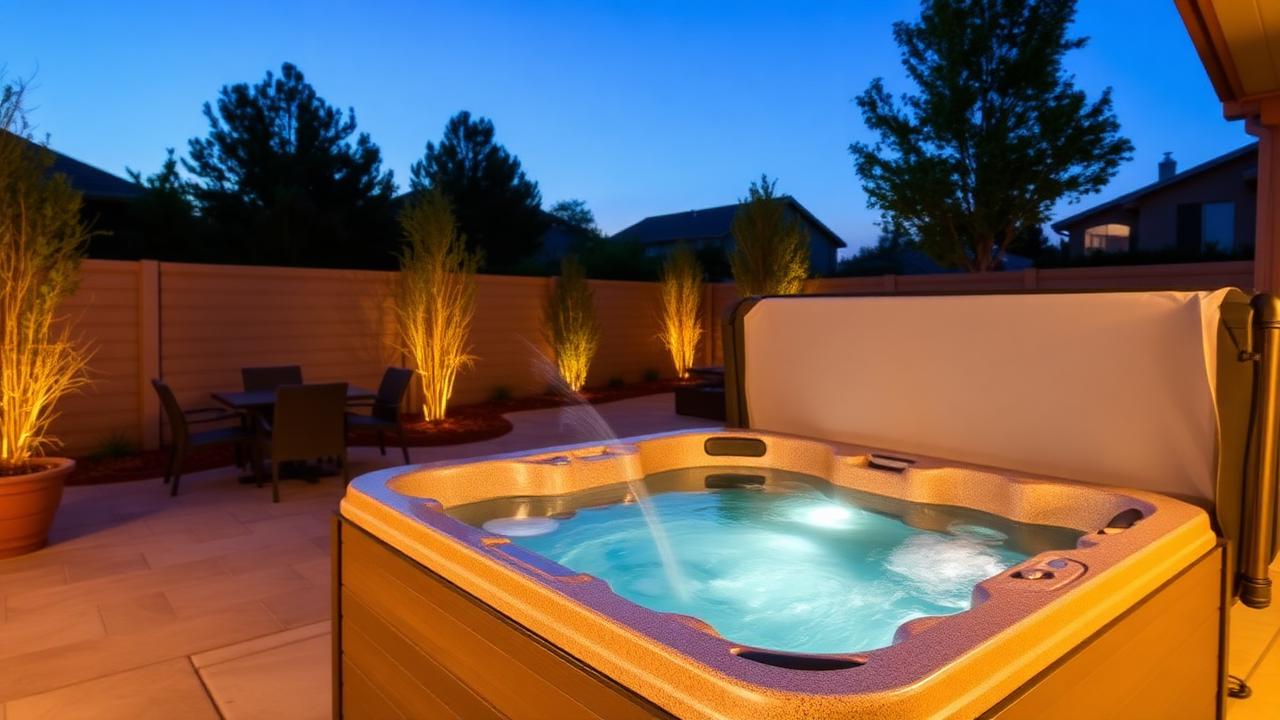
Most hot tubs last between 10 and 20 years, but the harder question isn't how long they live — it's when to stop spending money on the one you already own. As a service company, we have a financial interest in repairing yours. But we'd rather give you an honest answer than sell you a third repair on a spa that's clearly winding down.
Here are the five signs we actually look for when a customer asks us, "should I just replace it?"
1. Repeated repairs in the same 12-month window
A single big-ticket repair on an otherwise healthy spa is almost always worth doing. But if you've replaced the heater, a pump, and the control board all in the same year — or you're staring down a third major repair within 18 months — the rest of the electronics are aging out too. Spas are systems. When the pumps, heater, control pack, and topside panel are all from the same era, they tend to fail in clusters.
Run the math: cumulative repair cost over the last 18 months ÷ replacement cost of a comparable new spa. Once that ratio crosses 30–40%, replacement starts to win on cost alone — never mind reliability and energy efficiency.
2. Cracked or delaminating shell
Hairline cracks in the acrylic that haven't reached the fiberglass backing can usually be patched cleanly. Once a crack penetrates to the fiberglass — or you see multiple cracks, soft spots, or visible delamination — you're on borrowed time. Acrylic and fiberglass don't bond well to old, weathered repairs, and each subsequent patch holds for a shorter window.
Common causes we see:
- UV degradation on uncovered spas in hot climates
- Ice damage from a spa left full but unheated during a freeze
- Manufacturing defects that didn't show up until year 8 or 10
- Repeated stress around the footwell on heavily-used spas
If the shell is compromised, almost every other repair is throwing good money after bad.
3. Foam saturation and chronic leaks
Pick up a corner of the spa cabinet (carefully) and try to gauge the weight. A spa with dry foam insulation feels manageable. A spa whose foam has soaked up gallons of leaked water feels like concrete.
The signs of foam saturation:
- Cabinet is dramatically heavier than when new
- Equipment bay is constantly damp or smells musty
- You've chased small leaks for months without finding the source
- Visible water staining on the inside of the cabinet panels
Once foam is saturated, every leak is harder to find (the water travels through the foam before exiting) and your heating costs go up significantly. On a spa older than 10–12 years, tearing the foam out to chase leaks is rarely worth it.
4. Your energy bills are climbing — and the spa is the reason
A modern, well-insulated spa with a quality cover costs $30–$70/month to run in most climates. An older spa with degraded foam, a waterlogged cover, and original-era plumbing can easily cost $120–$200/month for the same comfort.
Quick at-home check:
- Note your average energy bill before adding the spa
- Compare to your current bill in similar weather
- If the spa is adding more than $80–$100/month, it's bleeding heat
A new full-foam spa with a fresh insulated cover can cut energy costs by 40–60%, often paying back a significant portion of the upgrade within 3–5 years.
5. You're not using it
This is the one no service company will tell you, but it's the truest sign: if the spa hasn't been a regular part of your routine in over a year, no amount of repair will change that.
Common reasons:
- It's too big for your household
- It's awkwardly located and feels like a chore to access
- Chemistry has gotten complicated and you've drifted away from it
- Your needs have shifted — kids grew up, you moved, lifestyle changed
A smaller, more efficient model — or even a swim spa, plunge tub, or cold plunge — might actually fit your life now. Repairing the wrong spa just preserves the problem.
What a quality replacement spa should include
If you've decided it's time, here's the short list to look for in 2026:
- Full-foam insulation with an insulated floor pan (not partial-foam)
- Stainless or titanium heater (titanium if you run saltwater or have hard water)
- An industry-standard control pack: Balboa or Gecko
- ABS pan and rust-free hardware under the spa
- A quality 4"–2" tapered cover with a vapor barrier and a 5+ year warranty
- A clear written quote that includes delivery, electrical, pad prep, and chemistry startup
Avoid "blowout" spas from non-specialty retailers — the cabinet, control pack, and warranty support are usually generic, and parts can be near-impossible to source 5 years in.
Repair vs. replace: a simple decision framework
Use this in order:
- Is the shell structurally compromised? If yes → replace.
- Are you on your third major repair in 18 months? If yes → likely replace.
- Is the foam saturated? If yes and the spa is 10+ years old → replace.
- Is your energy bill 2–3x what it should be? If yes → strongly consider replace.
- Are you actually using it? If no → replace with the right size, or sell it.
If none of those apply, repair. A good spa with one failed component is one of the best repair-vs-replace bets in home appliances.
Get a second opinion before you spend
If you're staring at a quote that feels too big for the age of the spa, get a free second opinion. We do honest in-home estimates — repair or replace — and we'd rather lose a repair sale than sell you one that doesn't make sense.
Call our dispatch any time. 24/7, nationwide, written quotes, no pressure.