
Hot Tub Heater Repair Cost in 2026: A Transparent Price Breakdown
What a hot tub heater repair really costs in 2026 — element vs. assembly pricing, what drives the bill, and when to replace instead of repair.
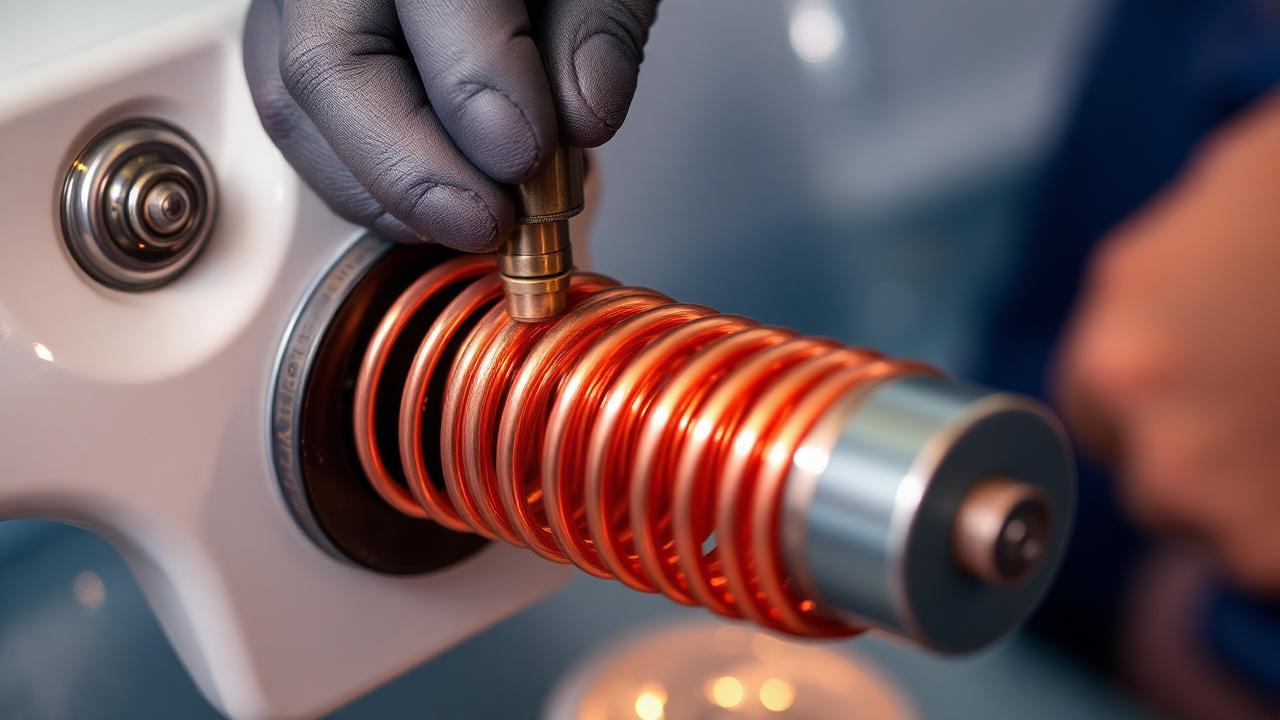
If your spa won't heat, the first thing most homeowners want to know is simple: what is this going to cost me? As a service company that runs hundreds of heater calls a year, we're going to give you a transparent breakdown of hot tub heater repair costs in 2026 — what's fair, what's a red flag, and when replacement is the smarter spend.
The short answer: typical 2026 heater pricing
Most homeowners in the U.S. pay between $250 and $475 for a full hot tub heater assembly, installed, with a written workmanship warranty. If only the heating element has failed and the housing is still good, expect $180 to $325 installed.
Here's how that usually breaks down:
- Diagnostic / trip fee: $79 – $149 (often waived if you approve the repair)
- Heater element (bare): $70 – $160 in parts
- Full heater assembly (housing + element + sensors): $140 – $260 in parts
- Labor: $120 – $220, depending on access and control pack
If a quote comes in dramatically below those ranges, ask what's being skipped — typically it's the diagnostic on the pressure switch, high-limit sensor, or GFCI. If it comes in dramatically above, ask whether a full control pack is being swapped instead of just the heater.
What actually drives the price
1. Heater type and brand
Standard 4.0 kW Incoloy 800 heaters are the most common and most affordable. Titanium heaters — strongly recommended for saltwater spas and homes with hard water — typically cost 30–60% more, but they resist corrosion for years longer. Flo-Thru vs. low-flow housings also affect the part number, and getting it wrong is one of the most common mistakes on cheap online listings.
2. Control pack compatibility
Balboa, Gecko, Hydro-Quip, and Sundance each use specific heater connectors, amperage ratings, and sensor styles. A heater that "looks right" but pulls the wrong amperage will either trip the high-limit instantly, fry the control board's relay, or burn the element prematurely. Paying a tech who actually knows your control pack is cheaper than paying twice.
3. Hidden secondary damage
A heater that failed from dry-fire (running with low or no water flow) almost always damaged something else: the pressure switch, the high-limit sensor, or — worst case — the relay on the control board itself. A real diagnostic catches this before you pay for a new heater that the board immediately destroys.
4. Your location and access
A spa with full skirt access and a clean equipment bay takes an hour. A built-in spa flush to a deck with the equipment buried behind a removable panel can take three. Labor reflects that.
Why a $79 online heater is usually false economy
We pull bargain heaters out of spas all the time. The common failure patterns:
- Wrong wattage for the control pack, leading to repeated GFCI trips
- Thin elements that burn out within one season
- No thermal cutoff, which is a real safety risk
- Generic gaskets that leak onto the electronics within months
Stick with OEM or top aftermarket (HydroQuip, Therm Products, Balboa) and a quality heater will run 5–8 years easily.
Why heater swaps aren't a DIY job
Spas run 240V at 30–50 amps. A miswired heater is an electrocution risk and will trip your GFCI the moment you energize it. Plumbing unions over-tightened crack the housing; under-tightened drip onto the control board. Almost every spa manufacturer voids the warranty the moment a homeowner opens the heater housing. The savings are not worth the risk — to you or the spa.
What a fair, professional repair looks like
Whether you hire us or someone else, here's the checklist any honest spa technician should follow:
- Written, flat-rate pricing before any work begins
- Pressure switch and high-limit sensor tested at the same time as the heater
- New union gaskets installed (these are cheap and almost always reused incorrectly)
- GFCI tested under load after install, not just powered on
- A written workmanship warranty of at least 90 days on labor
If any of those are missing from the quote, get a second opinion. You're not being picky — you're being smart.
Repair vs. replace: when does it stop making sense?
Replacing a heater on a 6-year-old spa with otherwise solid electronics is a no-brainer. But on a spa that's already had two pump replacements, a control board swap, and now needs a heater — the math changes fast.
Our rule of thumb: if the cumulative repair cost in the past 18 months is approaching 30–40% of the cost of a comparable new spa, replacement deserves a serious look. A new mid-range spa with a quality cover often pays back the repair difference in energy savings within a couple of seasons.
Frequently asked questions
How long does a hot tub heater last?
A quality OEM or top-aftermarket heater typically lasts 5–8 years. Saltwater and very hard-water environments shorten that significantly unless you've upgraded to titanium.
Can I replace just the heating element, or do I need the whole assembly?
If the housing isn't pitted, corroded, or scaled and the sensors test good, swapping just the element saves about $80–$120. Most techs will tell you honestly whether the housing is reusable.
Will my homeowner's insurance cover hot tub heater damage?
Rarely. Most policies treat mechanical failure as routine maintenance. A water leak that damages your deck or home interior may be covered — but the heater itself almost never is.
How quickly can a repair be done?
For common Balboa and Gecko systems, most reputable shops carry the parts on the truck and can complete a same-day repair. Less common brands may require a 1–3 day parts order.
Ready for a written quote?
We do flat-rate diagnostics, never charge for parts upgrades you didn't approve, and back every repair with a written warranty. If your spa won't heat, call our 24/7 dispatch — most local jobs are quoted on the phone and finished same-day.